
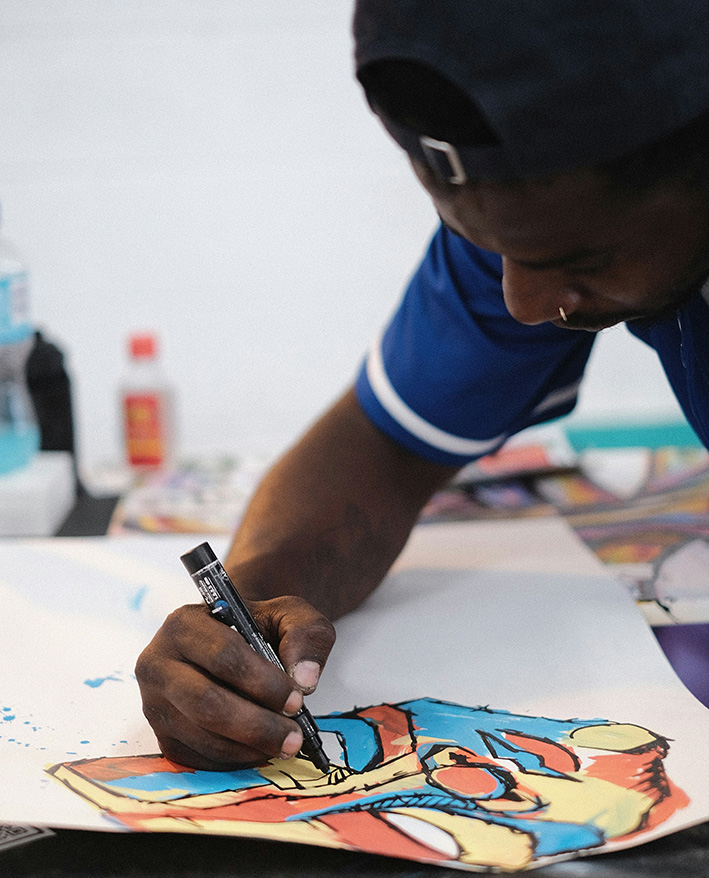
Language Creates Worlds.
Every community lives inside a story.
Every story is carried by language.
The words we inherit shape how we see ourselves, one another, and what we believe is possible.
Language is more than something we speak. It is how we remember, how we belong, and how we come to understand who we are. To shame a language is to wound something deeply human. When people are taught that the language they speak is inferior, they can begin to believe that they are inferior too.
For generations, many communities across the Cape Flats have carried that wound. They have lived with the correction, the mockery and the quiet message that the way they speak somehow makes them less. Yet the language they have been taught to question is also the language that carries their history, resilience, humour, creativity and hope.
At TAAL, we believe that when language changes, worlds begin to change.
Working alongside communities across the Cape Flats and beyond, we use language, arts and literacy to create spaces where dignity is restored, belonging is strengthened, and new stories of hope can flourish.
The Challenge
Across the Cape Flats and beyond, generations have inherited more than poverty or inequality.
They have inherited stories.
Stories of exclusion.
Stories of survival.
Stories carried in language.
For many communities, Kaaps has been treated as something to hide rather than something to celebrate. Children often grow up without seeing their own language reflected in books, classrooms or public life. When a language is diminished, the people who speak it can begin to believe they are diminished too.
TAAL’s Response
TAAL exists to reclaim language as a source of dignity, creativity and belonging.
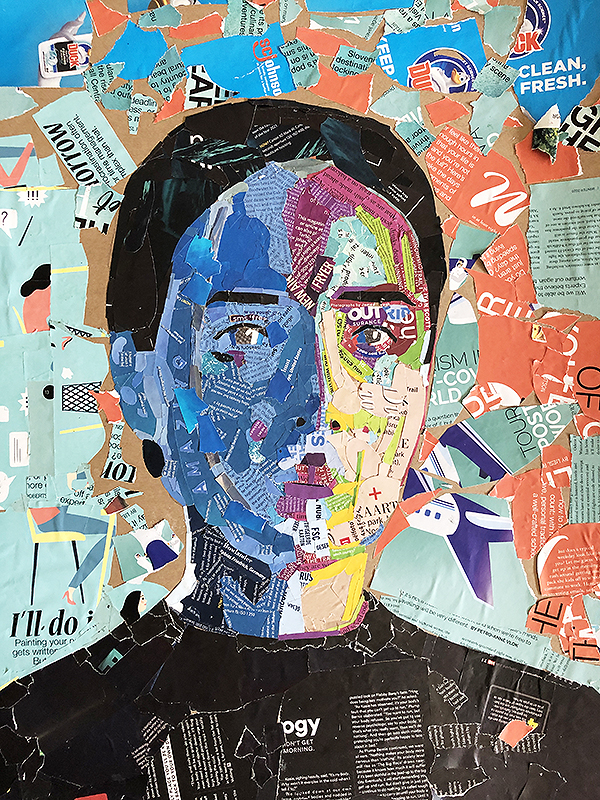
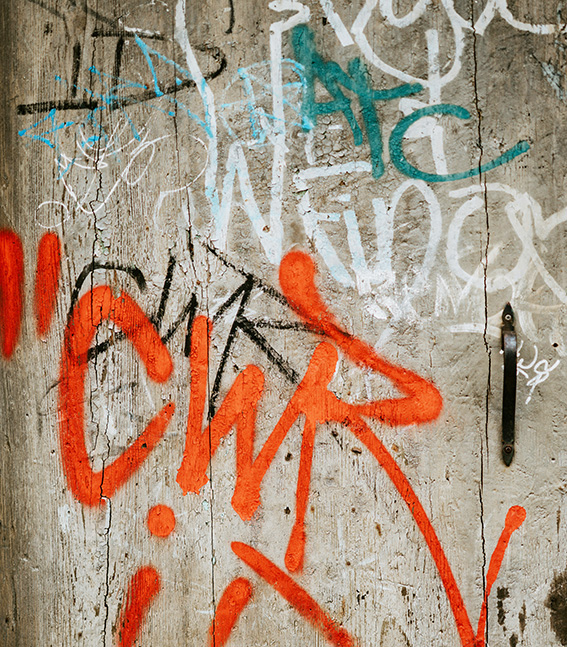
Through expressive arts, literacy programmes, facilitator training, research and community partnerships, we create opportunities for people to rediscover the value of their own language and imagine new possibilities for themselves and their communities.
Because Language Creates Worlds.
What We Believe
We believe that language is far more than a way of communicating.
Language carries memory.
Language shapes identity.
Language shapes relationships.
Language shapes opportunity.
Language creates worlds.
When people begin speaking differently about themselves, new futures become possible.
Trauma-Informed Practice
Understanding the Story Before the Symptoms
At TAAL, we believe that no community can be understood without understanding its history.
For the communities we work alongside across the Cape Flats and beyond, that history does not begin with gangsterism, poverty or even apartheid.
It begins with slavery.
From 1652 onwards, enslaved people from East Africa, Madagascar and the Indian Ocean world were brought to the Cape. Speaking many different languages, they created new ways of communicating under conditions of unimaginable hardship. Out of these encounters emerged Kaaps—a language shaped by resilience, creativity and survival.
The generations that followed experienced colonialism, racial segregation, forced removals, language shaming and systemic exclusion. Each chapter added new layers of trauma while disconnecting communities from their homes, their histories and, increasingly, from pride in their own language.
This history continues to shape families, neighbourhoods and relationships today.
Understanding that history is the starting point of trauma-informed practice.